Another part of the ongoing feature article/behind the scenes of a fish market. I got a great quote but didn't write it in: what sells the most? The answer: "sashimi--they buy it like crack."
Although the rest of the coffee-toting crew
wouldn’t arrive until 10, the early shift had been busy since 7am setting up,
re-icing and carrying out quality checks. Pete, 26, has been starting his early mornings with trays of
fillets and the crunch of ice for three years now. He sets high standards for the daily quality
check. In between trips to the
refrigerator, he filled me in on the market’s supply technique. “Keep a good rotation,” he said, setting down
a box of iced fish and pushing his glasses up his nose, “you’re always gonna
want to think one step ahead.” This
involves keeping track of the fishing seasons and consumer trends. May starts off the season for local salmon,
the market’s top seller. “People like to
support local,” said Pete who recommends alternatives like local cod as more
sustainable choices to threatened species like his favorite, Chilean seabass.
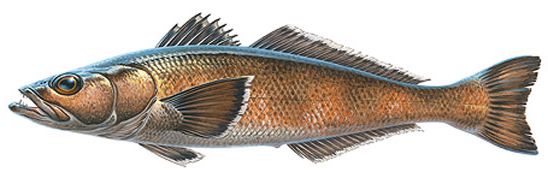
Although its name would suggest
otherwise, Chilean seabass is not a fish exclusive to Chilean waters. According to the U.S. Department of Commerce,
the US imports twenty percent of the global Chilean seabass catch—the majority,
outside of Chile, from Antarctic waters.
Illegal fishing necessitates government regulation to ensure the
species’ continuation. Black cod and
farmed white seabass are eco-friendly alternatives with equally high oil
contents best prepared lightly grilled or pan-seared.

No comments:
Post a Comment